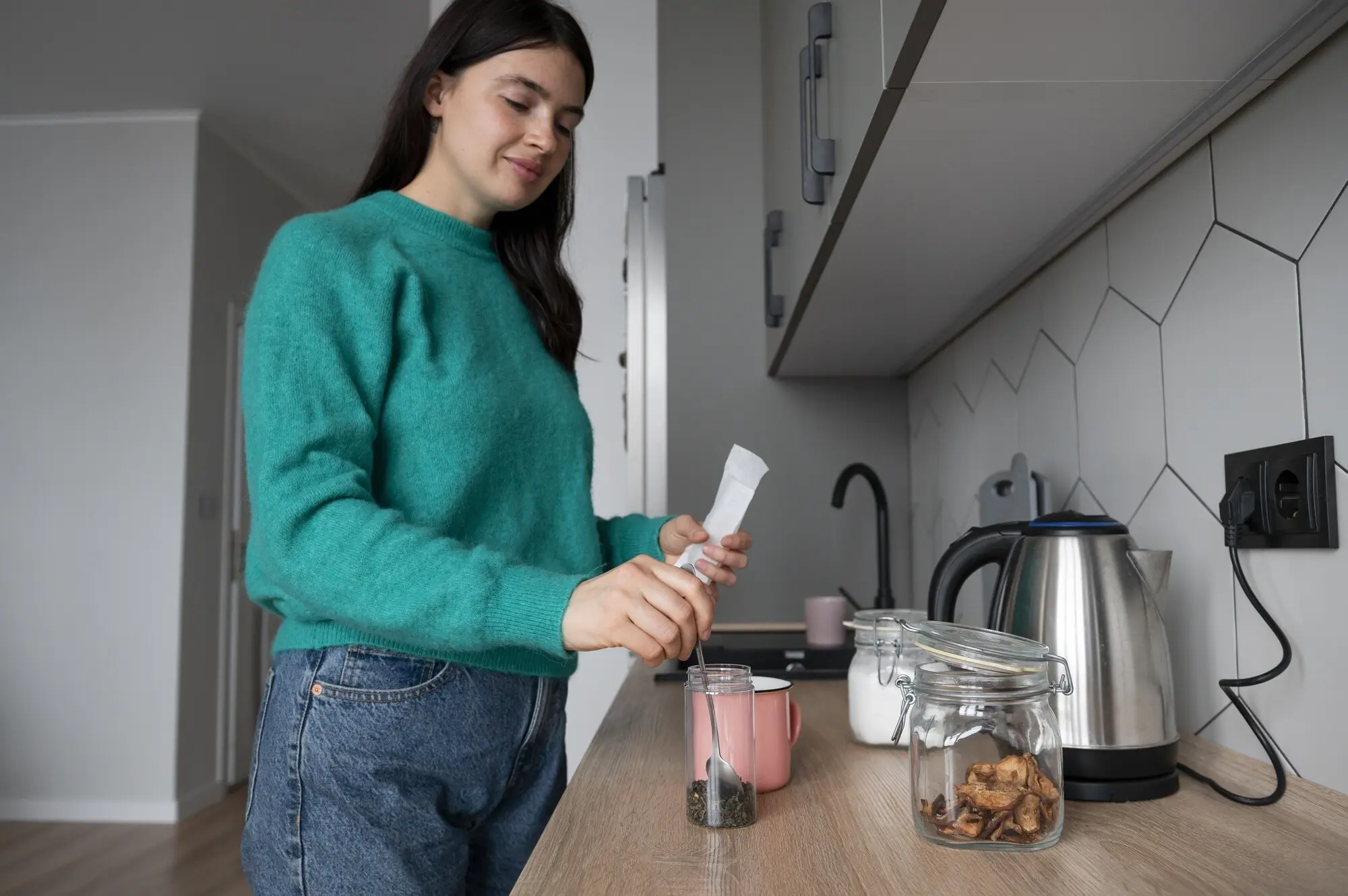
Tiny Automations, Big Free Time

We’re diving into smart home micro-routines that cut chores using affordable plugs and sensors. With tiny automations triggered by motion, contact, light, or schedules, you’ll reclaim minutes every day, reduce nagging tasks, and enjoy a calmer home. Expect practical examples, safety tips, and playful wins that anyone can set up this weekend.

Start Smart, Start Small

Forget complicated rewiring. Begin with one inexpensive plug and a simple sensor, then let a clear routine tie them together. By solving a single daily annoyance first, you’ll build confidence, avoid overwhelm, and create momentum that naturally expands across rooms without chaos.

Choose an ecosystem that fits your phone and budget

Pick devices that speak the apps you already use—Alexa, Google Home, Apple Home, or a local controller—so setup feels familiar. Prioritize Matter or Zigbee for reliability, and confirm automations run even if the internet blips. Spending less works best when frustration stays low.

Spot one chore worth automating right now

Look for a tiny irritation with a clear trigger and simple action: turning on a lamp at sunset, nudging you when laundry stops, or warming a room before breakfast. Quick wins prove value to everyone at home and earn trust for bolder ideas.

Test gently, then refine without breaking habits

Run your first micro-routine for a few days with generous delays, quiet notifications, and a harmless fallback. Watch for edge cases at night or when guests visit. Adjust thresholds and schedules gradually, keeping changes predictable so family routines adapt smoothly.
Smart plugs that remember state and sip standby power

Choose plugs that default to off after outages or restore last state safely, preventing surprise restarts. Energy monitoring helps reveal vampire loads, unlocking automations that cut waste during sleep hours. Compact casings avoid blocking adjacent sockets, keeping small apartments flexible and tidy.

Motion, contact, light, and temperature sensors with purpose

Pick sensors with replaceable coin cells and consistent reporting intervals, then map each one to a job: lights with motion, reminders with vibration, airflow checks with temperature and humidity. Calibrate placement to avoid glare, vents, or pets that trigger noisy false alarms.

Hubs and bridges that keep everything talking

A modest Zigbee or Matter bridge under fifty dollars can unify devices and reduce Wi‑Fi chatter. Local scenes fire faster, feel more natural, and remain usable during outages. Prioritize backup exports, open standards, and communities that answer questions when you’re stuck.

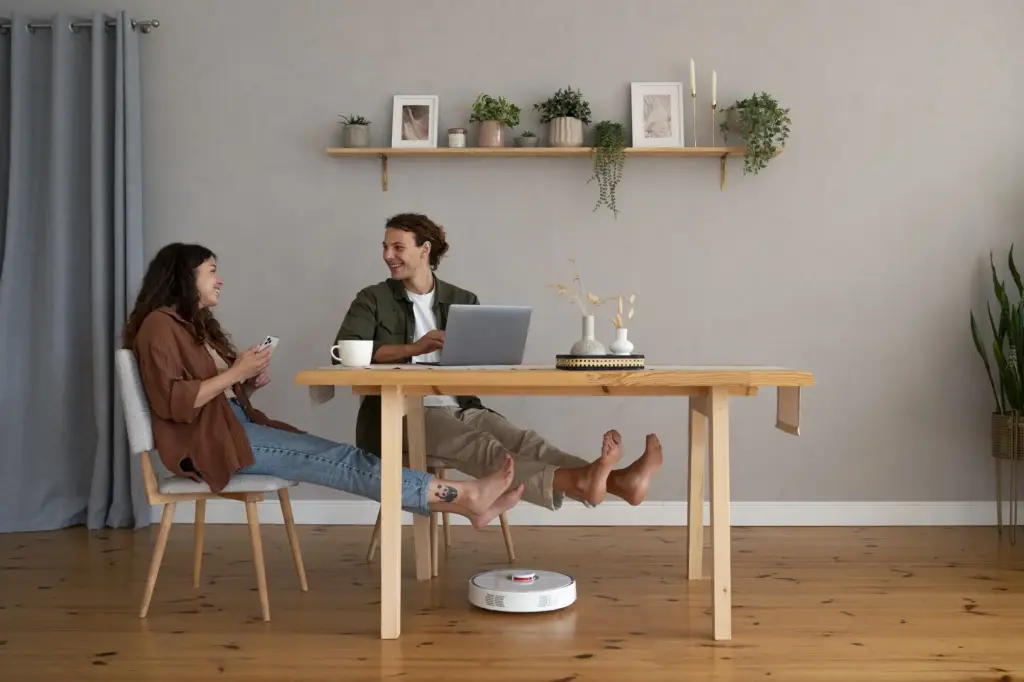
Real-Life Micro-Routines You Can Build Today

Small automations shine when anchored to familiar moments. Tie power to sunrise, footsteps, or doors opening, and let quiet nudges replace mental load. These examples are intentionally simple, affordable, and respectful of shared spaces, yet surprisingly powerful at reclaiming attention and consistency.

Safety, Privacy, and Reliability Without the Headache

Failsafes that prevent heaters and irons from overstaying

Set maximum run times on any outlet controlling heat, pair with temperature sensors, and require presence at home for activation. If motion goes quiet, cut power gracefully. These layered protections keep comfort available without inviting hazard, even during naps or rushed departures.

Privacy choices that match your comfort level

Prefer local hubs for routine logic and keep cloud access for voice or remote checks. Use unique passwords, two-factor authentication, and separate guest accounts. Audit data-sharing toggles quarterly, and be willing to unplug integrations that feel intrusive or fail to respect quiet hours.

Troubleshooting that teaches, not frustrates

Turn on automation logs and temporary notifications while testing, capturing when triggers fire and why they don’t. Move sensors, adjust cool-downs, and document changes. A few disciplined habits transform confusion into confidence, keeping routines dependable even as your device collection steadily grows.

Measuring Wins: Time, Energy, and Peace of Mind

Celebrate practical gains to stay motivated. Track minutes reclaimed each week, electricity saved through smarter schedules, and stress drops when reminders arrive exactly once. Sharing these results with family turns abstract convenience into visible value, inspiring requests for the next delightful micro-upgrade.

A simple baseline that makes improvements obvious

Before automating, time the task for a few days and note friction points like forgotten switches or awkward locations. Afterward, repeat the measurement and compare. Improvements rarely lie, and seeing progress in minutes and steps convinces skeptics faster than any promise.

Energy monitoring that translates watts into decisions

Enable energy reports on compatible plugs, then chart overnight consumption and weekday peaks. Use findings to schedule power cuts, stagger hungry appliances, or highlight devices worth replacing. Real numbers drive calm conversations about budgets and comfort, keeping sustainability friendly rather than preachy.

Build Your First Automation: A Guided Sprint

Write down when the routine should start, what it should control, and how long it may run. Add exceptions for sunlight, bedtime, or guests. Clear intentions make configuration speedy and prevent surprises, especially when you revisit settings months later after updates.
Reset hardware before pairing, follow the app’s sequence, and keep devices near the hub during setup. Give readable names that match locations and purposes, then test manual control first. Good labeling saves time and ends voice misunderstandings before they become household jokes.
Create the rule, enable cautious delays, and watch it fire for a week. Celebrate the minutes you reclaim, and tell us what worked. Share photos, subscribe for fresh ideas, and drop questions so we can help polish your next tiny victory.